Address
304 North Cardinal St.
Dorchester Center, MA 02124
Work Hours
Monday to Friday: 7AM - 7PM
Weekend: 10AM - 5PM

Address
304 North Cardinal St.
Dorchester Center, MA 02124
Work Hours
Monday to Friday: 7AM - 7PM
Weekend: 10AM - 5PM
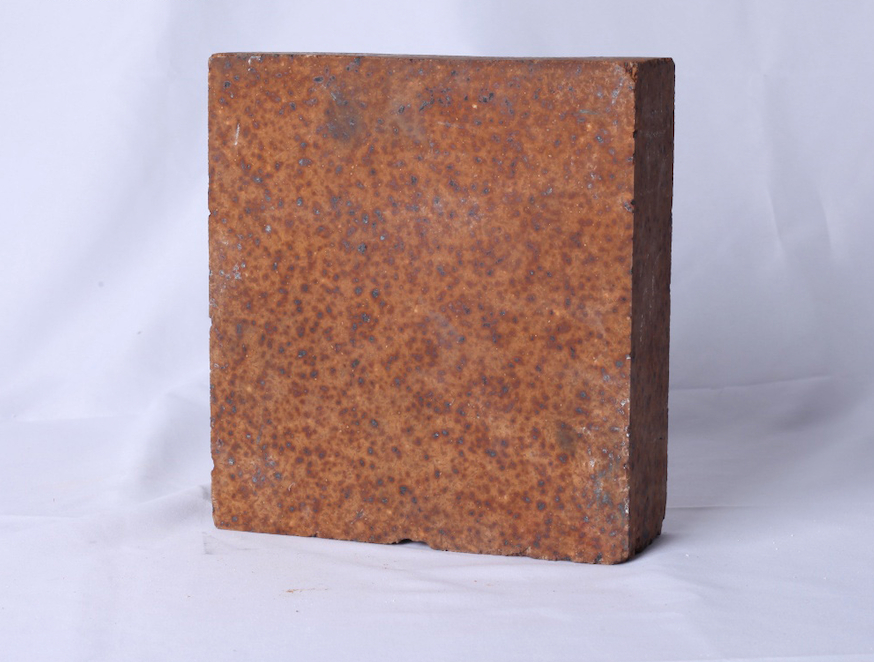
Alkaline refractory materials, with magnesium oxide and calcium oxide as their core components, have become the core lining materials for high-alkali working conditions in industries such as steel and cement due to their excellent resistance to alkaline slag erosion.
I. Core Features
It has extremely strong alkali resistance and can effectively resist the erosion of alkaline slag, cement raw materials and other media. Its service life in converters and cement rotary kilns is significantly better than that of other types of materials.
It has excellent high-temperature resistance. The refractoriness of magnesia materials is generally above 2000℃, and they can withstand the long-term erosion of high-temperature molten metals and slag.
The water resistance varies greatly. Pure magnesium materials are prone to moisture absorption and powdering, so moisture-proof storage should be done well. Dolomite materials have weaker resistance to hydration and usually need to undergo special treatments (such as surface coating) before use.
Ii. Key Points for Selection
When the medium inside the furnace is in a highly alkaline environment (such as alkaline slag in steelmaking converters or high-calcium raw materials in cement kilns), alkaline refractory materials should be given priority.
Distinguish material types: Pure magnesia bricks are suitable for the bottom of converter furnaces with high temperatures and strong erosion. Magnesia-alumina spinel bricks have both erosion resistance and thermal shock resistance, making them suitable for the transition zone of cement rotary kilns. Dolomite bricks have a relatively low cost, but it is necessary to ensure that the usage environment is dry to avoid hydration failure.
Pay attention to usage details: Store it in a sealed and moisture-proof container. Before construction, check if the material shows any signs of moisture absorption. At the junctions with other types of refractory materials, transition layers should be set up to prevent spalling due to component reactions.
