Address
304 North Cardinal St.
Dorchester Center, MA 02124
Work Hours
Monday to Friday: 7AM - 7PM
Weekend: 10AM - 5PM

Address
304 North Cardinal St.
Dorchester Center, MA 02124
Work Hours
Monday to Friday: 7AM - 7PM
Weekend: 10AM - 5PM
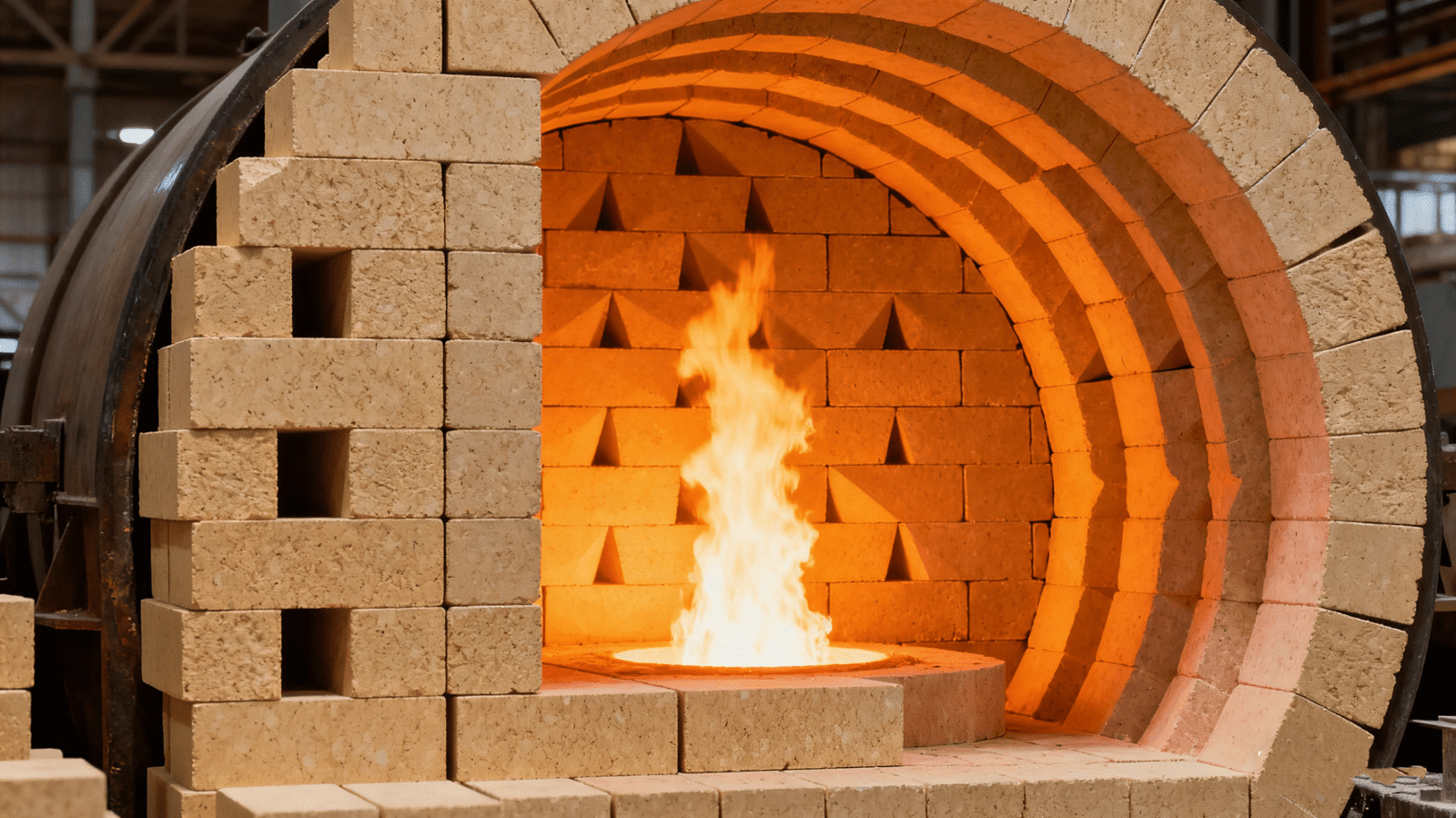
High alumina bricks are widely used in global cement, steel, non-ferrous, and thermal-processing industries. Choosing the right grade is essential for stable operation, longer lining life, and lower energy loss.
1. Key Performance Factors
The most important indicator is Al₂O₃ content. Bricks with 55–65% alumina offer good load-bearing strength for medium-temperature zones, while 70–80% grades provide better slag resistance, thermal stability, and creep resistance for critical areas. Always check bulk density, porosity, and RUL to ensure the brick can withstand long-term structural stress.
➡ Check the product description of high alumina bricks:https://vuulcanrefractory.com/high-alumina-brick/
2. Application Areas
In cement rotary kilns, high alumina bricks are typically used in the transition zone, preheater, cooler, and burner pipe. Plants using alternative fuels may require enhanced alkali-resistant grades. In steel and non-ferrous furnaces, high-alumina bricks help handle thermal cycling and chemical corrosion. Selecting the right grade for each zone directly extends service life.
3. Improving Operational Efficiency
Using pre-shaped or precision-machined bricks reduces installation time and improves lining accuracy. Low-porosity bricks help lower heat loss and improve energy efficiency. For international plants running continuous operations, choosing bricks with strong thermal shock resistance minimizes shutdowns and maintenance costs.
For technical support or procurement consultation:
➡ Contact us: https://vuulcanrefractory.com/contact/
