Address
304 North Cardinal St.
Dorchester Center, MA 02124
Work Hours
Monday to Friday: 7AM - 7PM
Weekend: 10AM - 5PM

Address
304 North Cardinal St.
Dorchester Center, MA 02124
Work Hours
Monday to Friday: 7AM - 7PM
Weekend: 10AM - 5PM
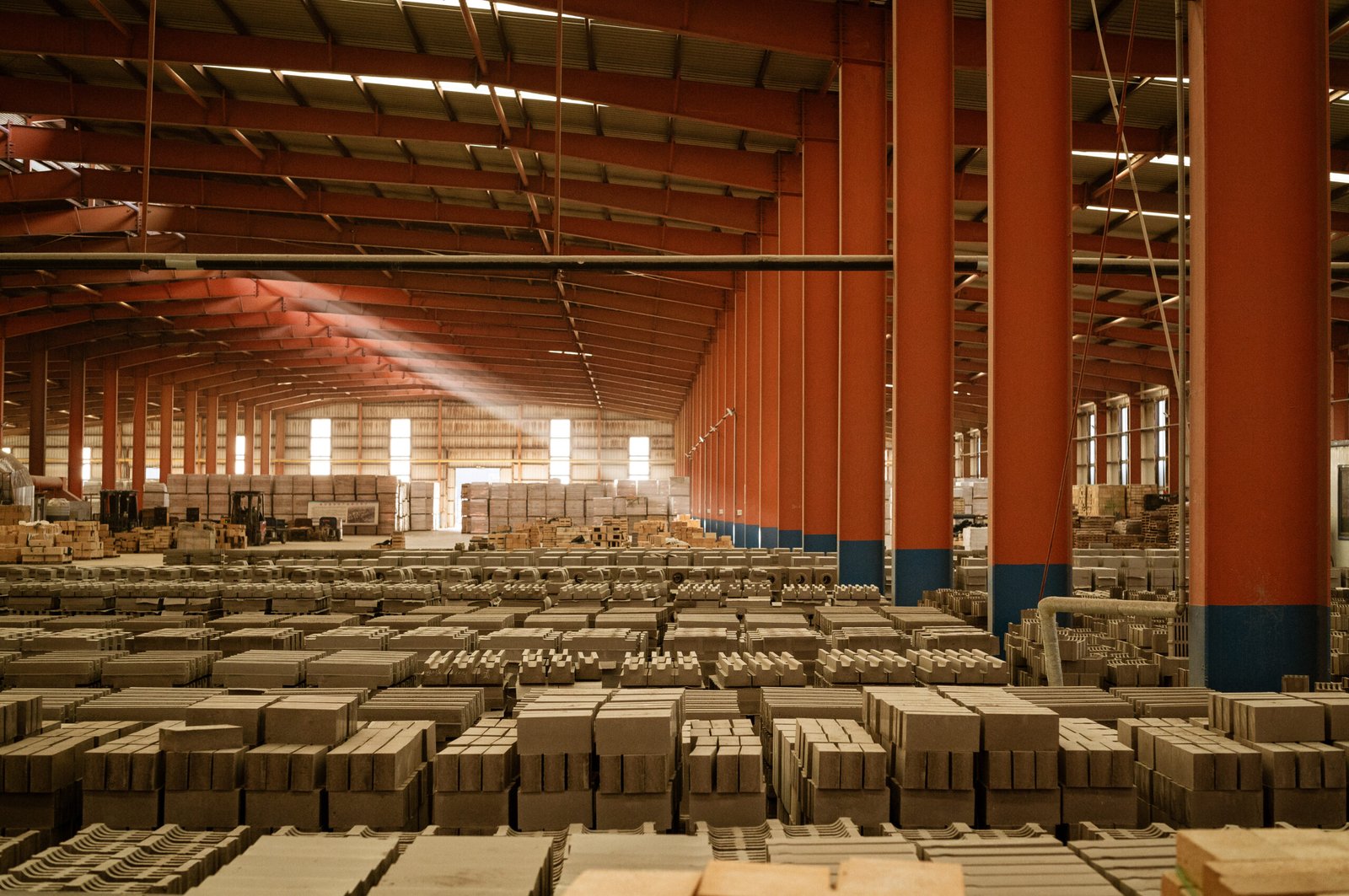
Refractory materials are the core basic materials for high-temperature industrial production. According to their chemical composition, they can be classified into three major categories to meet the needs of different scenarios.
Acidic refractory materials are mainly siliceous and semi-siliceous, with strong resistance to acid erosion but poor alkali resistance. They are mainly used in the acidic environment of glass kilns and the inner lining of non-ferrous metal smelting furnaces.
Alkaline refractory materials, including magnesia, dolomite, etc., have outstanding slag resistance and high-temperature resistance, and are key lining materials for steelmaking converters and cement rotary kilns.
Neutral refractory materials such as high alumina and carbonaceous materials have high chemical stability and are compatible with various furnace types. They are widely used in complex working conditions such as blast furnace bodies, hot blast stoves, and waste incinerators.
The precise selection of different types of refractory materials directly affects the service life and production efficiency of industrial furnaces and kilns, and is the key to ensuring the stable operation of high-temperature processes.
