Address
304 North Cardinal St.
Dorchester Center, MA 02124
Work Hours
Monday to Friday: 7AM - 7PM
Weekend: 10AM - 5PM

Address
304 North Cardinal St.
Dorchester Center, MA 02124
Work Hours
Monday to Friday: 7AM - 7PM
Weekend: 10AM - 5PM
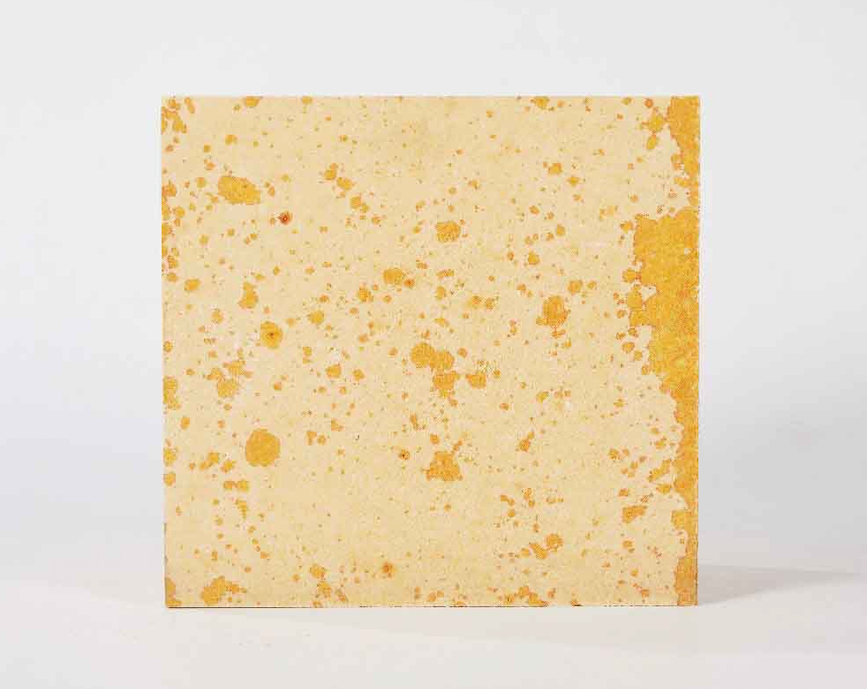
Acidic refractory materials, with silicon dioxide as the main component, have core characteristics concentrated on their resistance to acid erosion and adaptability to specific temperatures. They are key consumables in industries such as glass and non-ferrous metals.
I. Core Features
It has outstanding acid resistance and can resist the erosion of acidic slag and flue gas for a long time. Under acidic working conditions, its service life far exceeds that of other types of refractory materials.
High-temperature resistance is greatly influenced by composition. The refractoriness of common siliceous materials is approximately 1670-1730℃, while that of high-siliceous materials can be increased to over 1750℃.
It has relatively weak thermal shock resistance and is prone to cracking when the temperature changes suddenly. It needs to be used in combination with a slow cooling process.
Ii. Key Points for Selection
