Address
304 North Cardinal St.
Dorchester Center, MA 02124
Work Hours
Monday to Friday: 7AM - 7PM
Weekend: 10AM - 5PM

Address
304 North Cardinal St.
Dorchester Center, MA 02124
Work Hours
Monday to Friday: 7AM - 7PM
Weekend: 10AM - 5PM
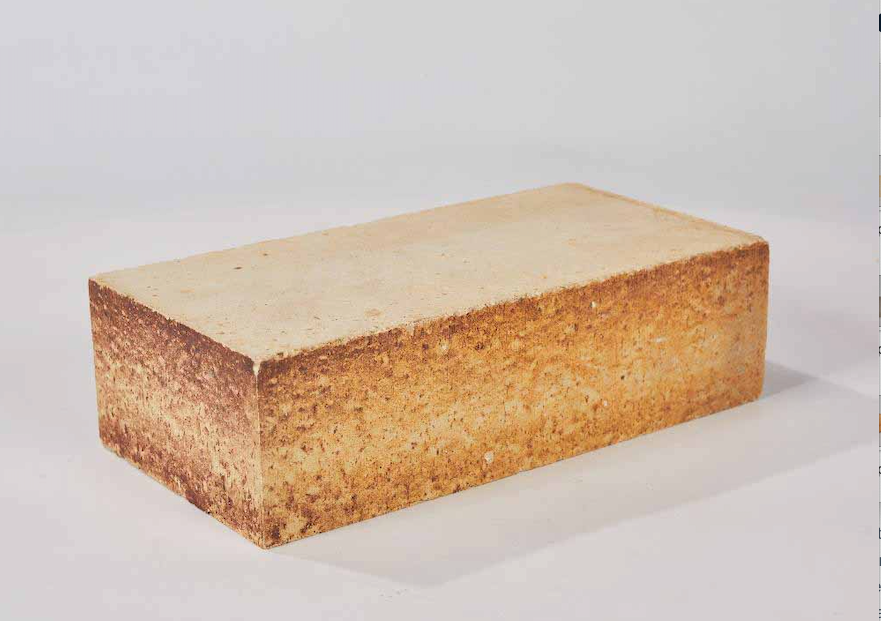
Neutral refractory materials, with high alumina and carbon as the core categories, possess both chemical stability and broad-spectrum adaptability. They are “general-purpose” high-temperature materials for complex working conditions, such as blast furnaces and waste incinerators.
I. Core Features
It has strong chemical inertness and does not react vigorously with acidic or alkaline media. It can be used for a long time in the transition areas of various furnace types (such as the waist of a blast furnace and the combustion chamber of a hot blast stove).
The performance is balanced. The high alumina material has a certain refractoriness (1750-1850℃) and thermal shock resistance. Carbonaceous materials (such as graphite bricks) possess extreme high-temperature resistance (above 2000℃) and slag resistance, but it is necessary to pay attention to oxidation prevention.
It has a wide range of application scenarios. It can be used alone as an inner lining or in combination with acidic and alkaline refractory materials to solve the problem of different medium erosion differences in various regions.
Ii. Key Points for Selection
Select according to the complexity of the working conditions: In a single-medium environment, other types of materials can be given priority. If there is alternating or mixed erosion of acid and alkali media in the furnace (such as in a waste incinerator), neutral refractory materials should be preferred.
Subcategory compatibility: High alumina bricks (with Al₂O₃ content ranging from 75% to 90%) are suitable for hot blast stoves and regenerative chambers of glass kilns. Graphite carbon bricks are suitable for the bottom and hearth of blast furnaces and need to be used in combination with anti-oxidation coatings. Silicon carbide bricks, due to their high thermal conductivity, are suitable for high-temperature equipment that requires rapid heat conduction.
Taking into account auxiliary requirements: If it is necessary to reduce the weight of the furnace body, lightweight high alumina bricks can be selected. If contact with molten metal is involved, dense carbon bricks with low porosity should be selected.
