Address
304 North Cardinal St.
Dorchester Center, MA 02124
Work Hours
Monday to Friday: 7AM - 7PM
Weekend: 10AM - 5PM

Address
304 North Cardinal St.
Dorchester Center, MA 02124
Work Hours
Monday to Friday: 7AM - 7PM
Weekend: 10AM - 5PM
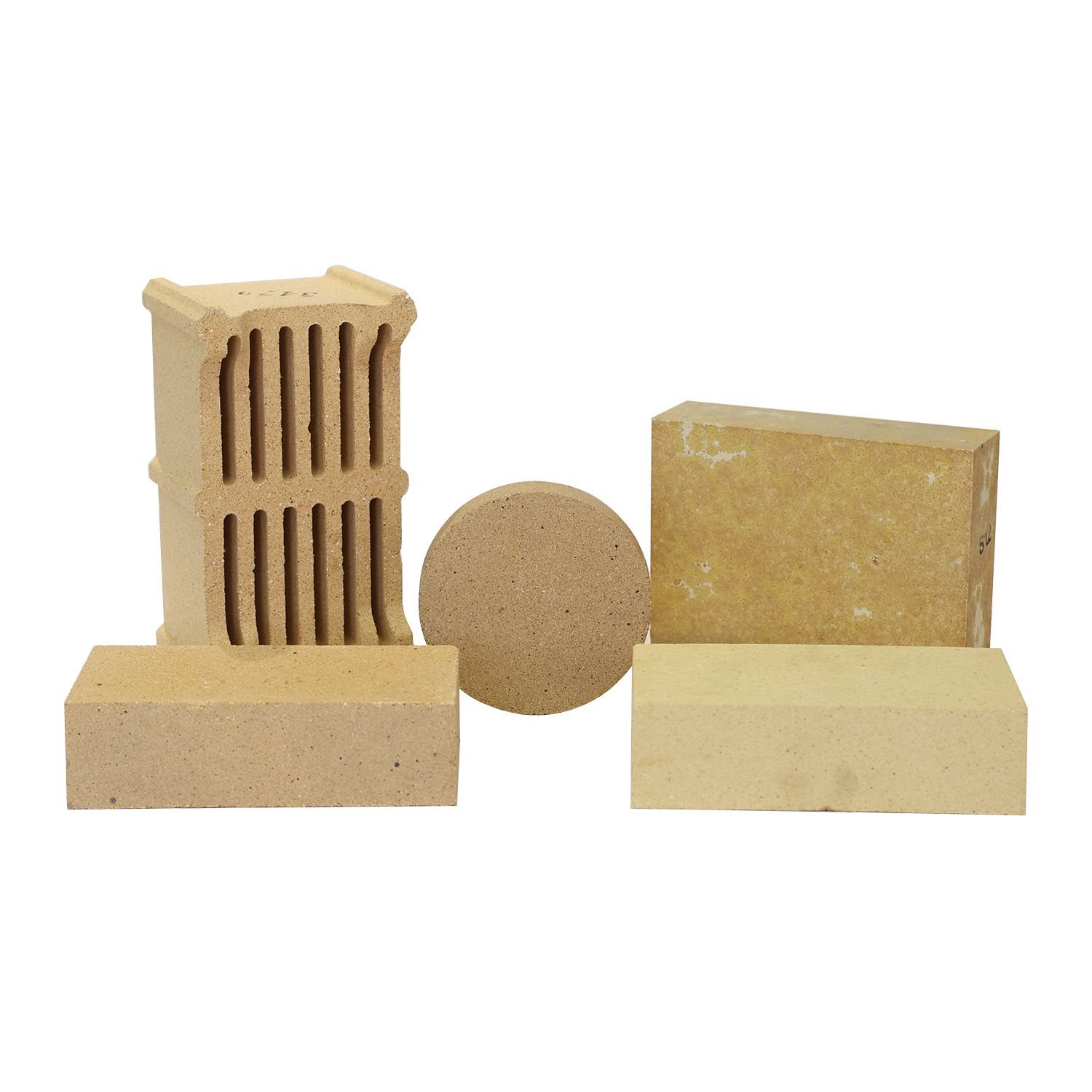
Choosing the wrong refractory bricks for your cement kiln is costly. It leads to frequent shutdowns, high heat loss, and soaring replacement costs. The right bricks, however, act as a reliable shield, maximizing uptime and energy efficiency.
This guide will walk you through the three most critical factors for selecting the optimal lining: temperature, chemical attack, and mechanical stress.
The first and most crucial step is understanding that one brick does not fit all. A cement kiln has distinct temperature zones, each demanding a specific type of brick.
Pro Tip: Always consult your kiln’s engineering specifications and historical data. The specific fuel, raw material chemistry, and kiln size can shift these requirements.
After zoning, pinpoint the primary enemy your bricks will face in each section. Wear typically comes from one of three sources:
Your Selection Filter: For the burning zone, prioritize chemical corrosion resistance. For the transition zone, thermal shock resistance is king. In the calcining and upper chain zones, make abrasion resistance your top criterion.
With your zone and wear mechanism identified, you can now speak the language of material specifications. Focus on these three data sheet properties:
These steps provide your selection framework. The final decision must translate this framework to your specific operation.
We strongly recommend a lining audit. Before your next planned shutdown, have a specialist inspect your current lining. Analyzing the wear patterns of your existing bricks is the most direct way to confirm the dominant failure mechanisms in each zone. This forensic approach turns past problems into your most valuable data for future success.
Ready to specify the right bricks? Vulcan Refractory provides free, data-driven lining audits and selection support. Contact our engineering team today for a consultation tailored to your kiln’s unique profile.
