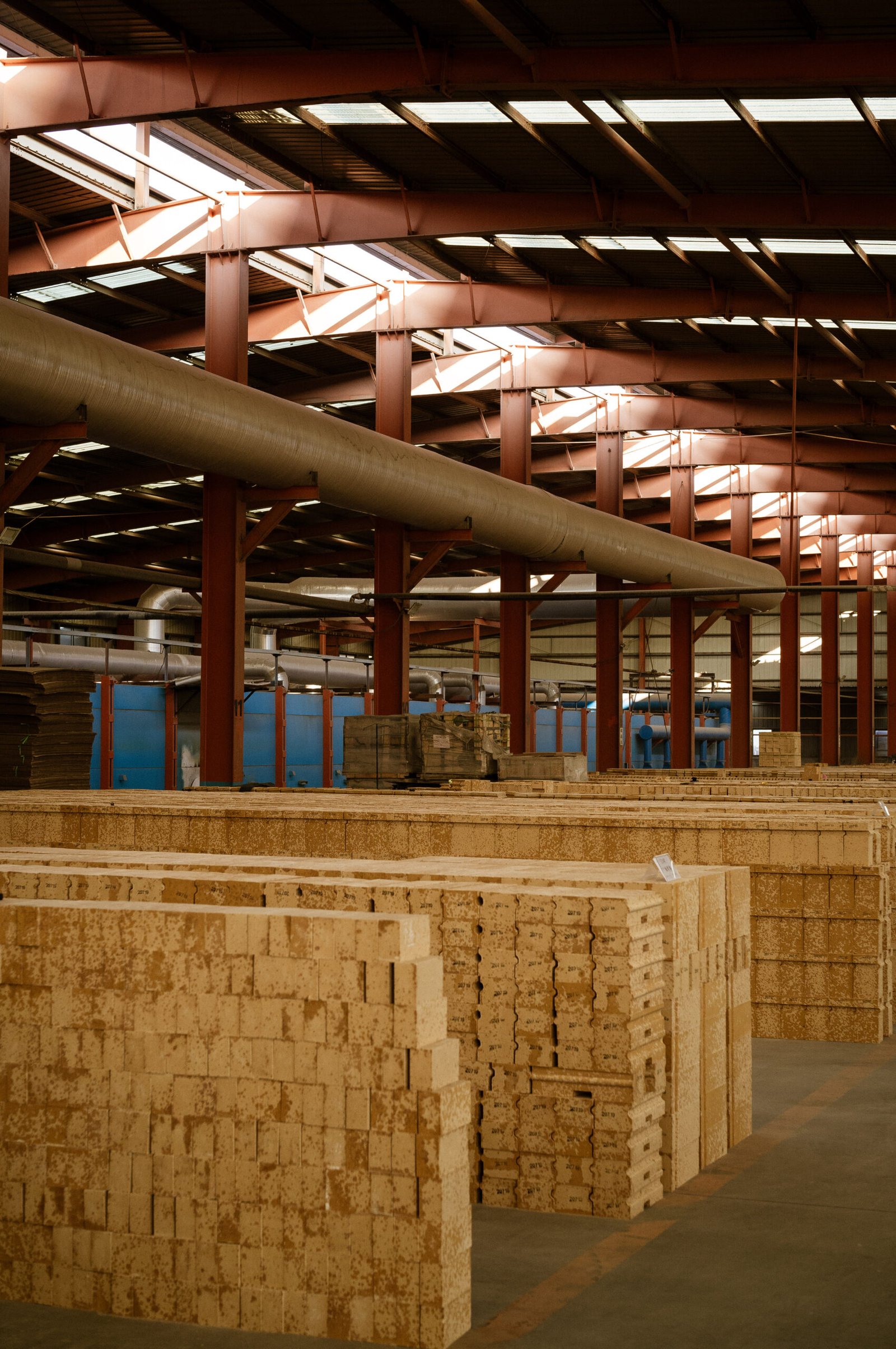
In high-temperature scenarios like iron and steel smelting, glass kilns, and ceramic sintering, silica bricks (learn more at https://vuulcanrefractory.com/silica-brick/) are irreplaceable “high-temperature-resistant mainstays” with three core performances that precisely address industry pain points:
- Ultra-high temperature stability: Refractoriness exceeds 1710℃, enabling long-term use at 1450℃ without deformation. It solves the problem of ordinary refractories being prone to cracking above 1200℃, suitable for core equipment such as blast furnaces and hot blast stoves. A major steel plant saw a significant drop in failure rates and a 300% increase in continuous operation time after adoption.
- Energy-saving and heat insulation: Room-temperature thermal conductivity is only 0.8-1.2W/(m·K), much lower than high-alumina bricks and fire clay bricks. It reduces kiln heat loss—float glass kilns save 15%-20% energy annually, and a 500-ton/day glass production line cuts 800,000-1.2 million yuan in annual energy costs (see technical data at https://vuulcanrefractory.com/silica-brick/).
- Durable and cost-saving: With SiO₂ content over 93% (up to ≥96% for models like BG-96A/B; check specs at https://vuulcanrefractory.com/silica-brick/), it has a dense structure, wear resistance, and corrosion resistance. Service life reaches 3-5 years (2-3 times that of fire clay/high-alumina bricks), extending ceramic tunnel kiln maintenance cycles from 6 months to 2-3 years and cutting downtime losses by 500,000-800,000 yuan per line yearly.