Address
304 North Cardinal St.
Dorchester Center, MA 02124
Work Hours
Monday to Friday: 7AM - 7PM
Weekend: 10AM - 5PM

Address
304 North Cardinal St.
Dorchester Center, MA 02124
Work Hours
Monday to Friday: 7AM - 7PM
Weekend: 10AM - 5PM
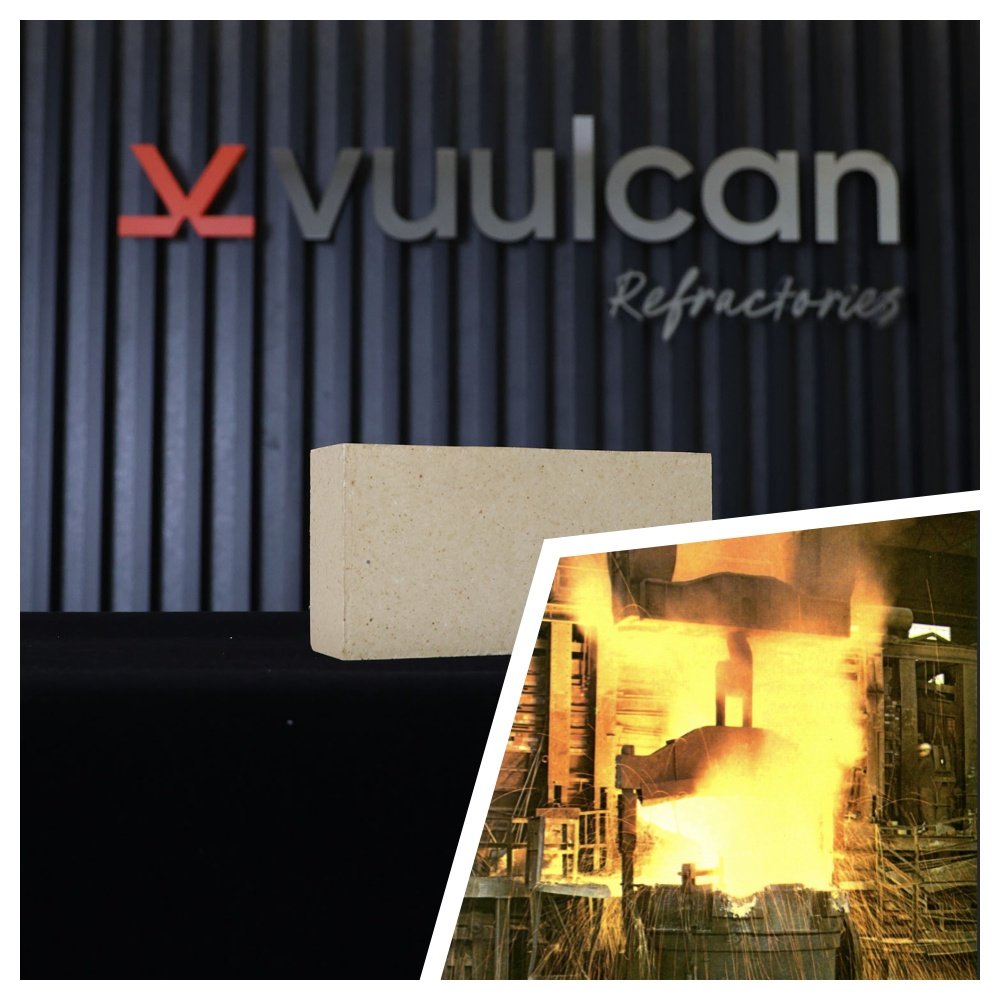
High alumina bricks are one of the most widely used refractory materials in global high-temperature industries. Made from high-grade bauxite and sintered at elevated temperatures, these bricks typically contain over 48% Al₂O₃ and are classified into different grades such as 50%, 60%, 70%, and 75%+ aluminum content depending on service requirements.
With a refractoriness of 1750–1790 °C, high alumina bricks offer significantly stronger thermal stability compared with fireclay bricks, making them suitable for steel furnaces, glass melting tanks, cement rotary kilns, and various industrial boilers. Their high refractoriness under load allows the bricks to maintain shape and strength under both high temperature and mechanical stress, which is essential for furnace roofs, sidewalls, burner zones, and structural linings.
Another key advantage is their excellent slag resistance. Due to the neutral chemical nature of alumina, high alumina bricks perform well against acidic and neutral slags, which is critical in steelmaking, non-ferrous metallurgy, and cement clinker production. Their high bulk density, low porosity, and strong abrasion resistance help extend furnace lining life and reduce downtime.
In general, 48–60% Al₂O₃ bricks are suitable for regular industrial kilns and preheating zones, while higher-grade bricks (≥75% Al₂O₃) are recommended for high-temperature, high-corrosion environments such as steel ladles, glass tanks, and rotary kiln burning zones.
For more details or to find suitable high-alumina brick solutions, visit:
👉 https://vuulcanrefractory.com/high-alumina-brick/
